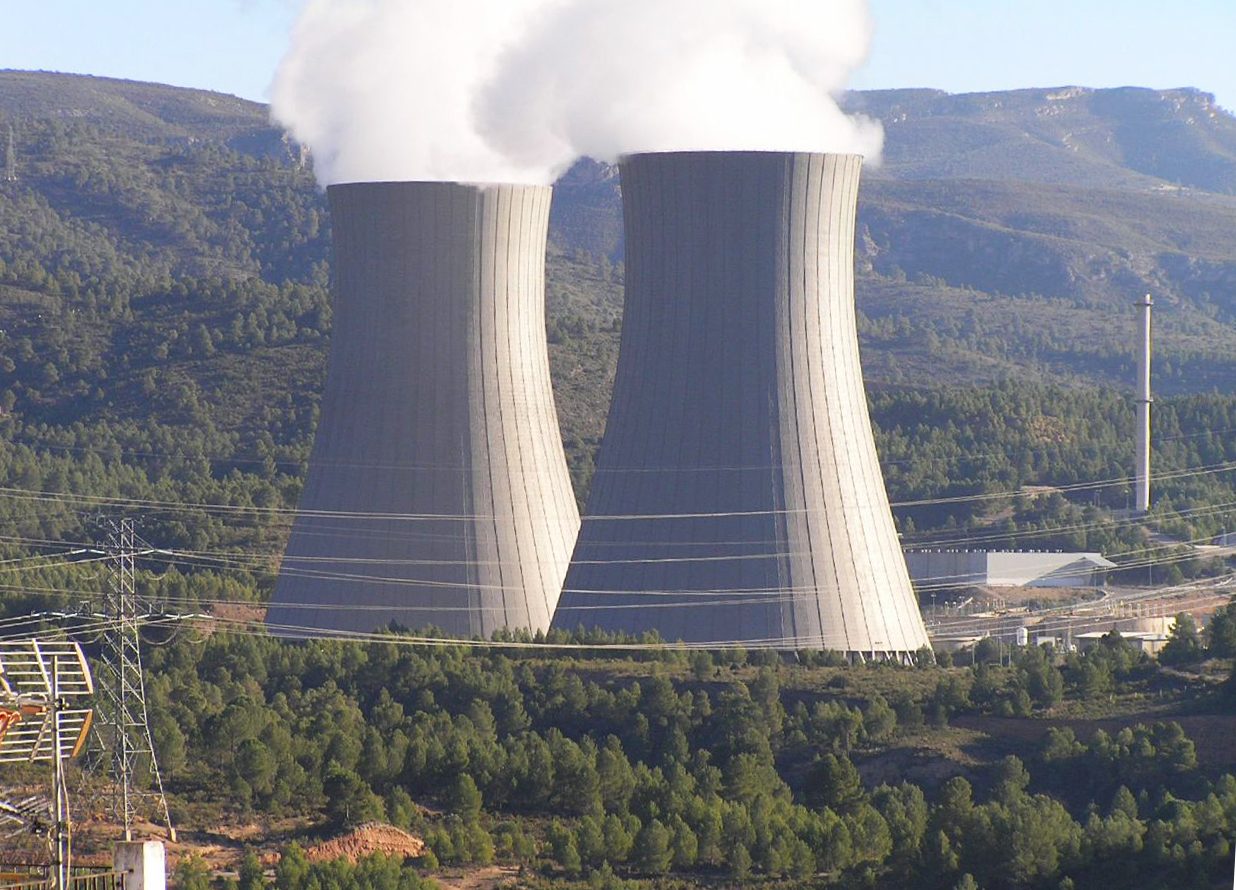
The AI build-out just told you how much power it needs. The nuclear plants it points to won't arrive in time to supply it.
This week's earnings put hyperscaler spending near a hundred and forty billion dollars a year. The 'clean nuclear' answer is a fraction of one percent of that, at three times the price of wind — and it mostly delivers after 2032. The grid runs on gas until then.
Artificial Intelligence
VIEW ALL →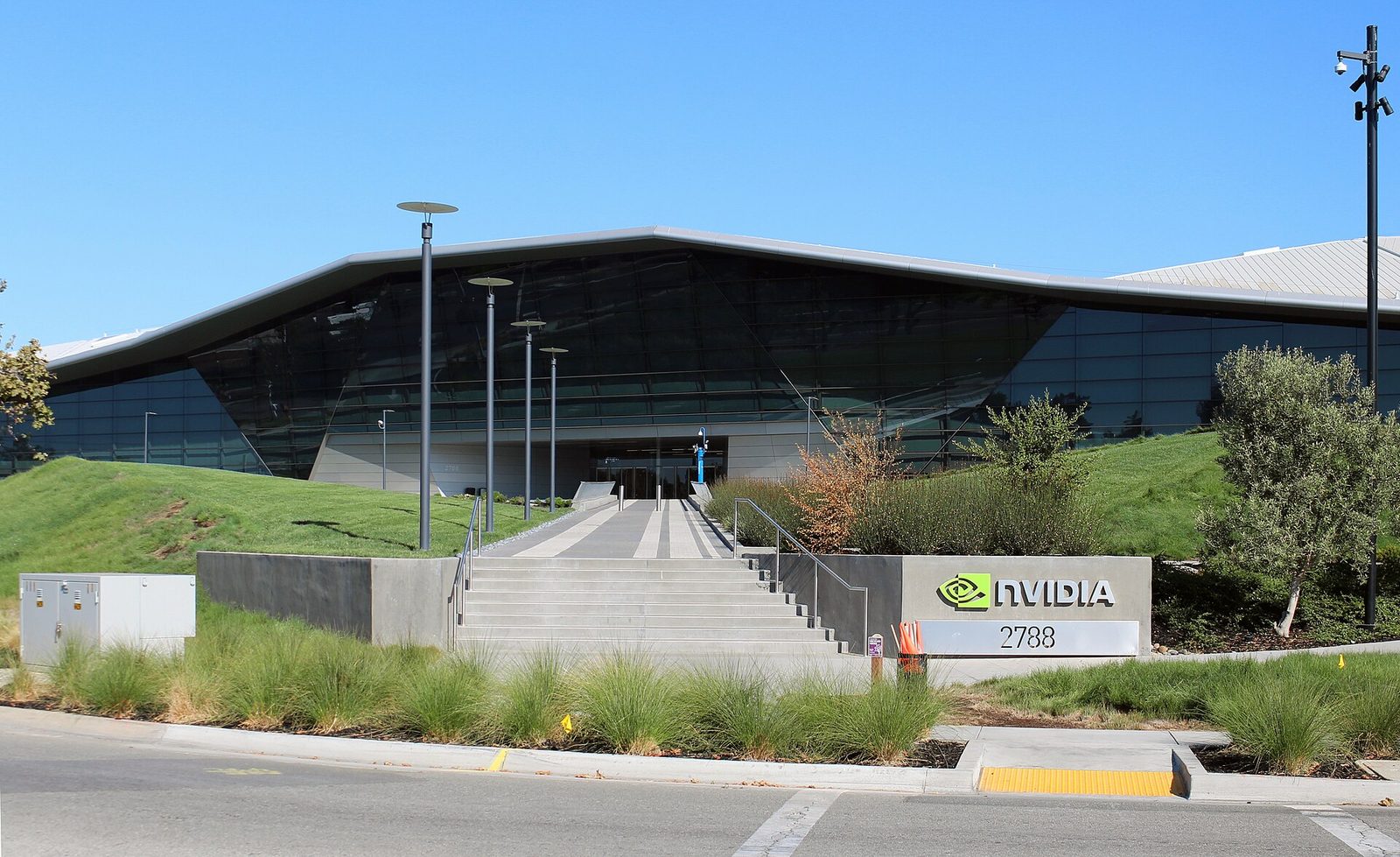
Safe Superintelligence promised to answer to no one. Its compute now runs through the company with the most to gain.
Ilya Sutskever's lab took no product to market and no shortcut to revenue, so the only thing outsiders can read is its cap table. This week it gained a name: Nvidia, with a stake reported at $5 billion and an order-of-magnitude compute bet on the vendor's own roadmap.
Claude Opus 5 tops the chart Anthropic built. It also loses the one it didn't.
Opus 5's launch numbers are a mix of three very different things: a benchmark Anthropic owns, a benchmark it trails on, and one genuinely impressive result an outside body actually checked. Only one of them is worth screenshotting — and it isn't the headline.
The model that answers every Google search is the cheapest one Google has
Google now writes an AI answer to every query, and the model doing it — Gemini Flash — is tuned for speed and cost, not for being checked. When one system mediates the world's questions, the thing that disappears is provenance.
Hardware
VIEW ALL →The AI build-out just told you how much power it needs. The nuclear plants it points to won't arrive in time to supply it.
This week's earnings put hyperscaler spending near a hundred and forty billion dollars a year. The 'clean nuclear' answer is a fraction of one percent of that, at three times the price of wind — and it mostly delivers after 2032. The grid runs on gas until then.
The Snapdragon in your next phone got more expensive. Follow the money upstream and it isn't Qualcomm's decision.
Qualcomm is raising chip prices by double digits on September 1. The cause sits two chokepoints upstream — a fab that would rather print AI accelerators, and three companies that would rather sell their memory to data centers.
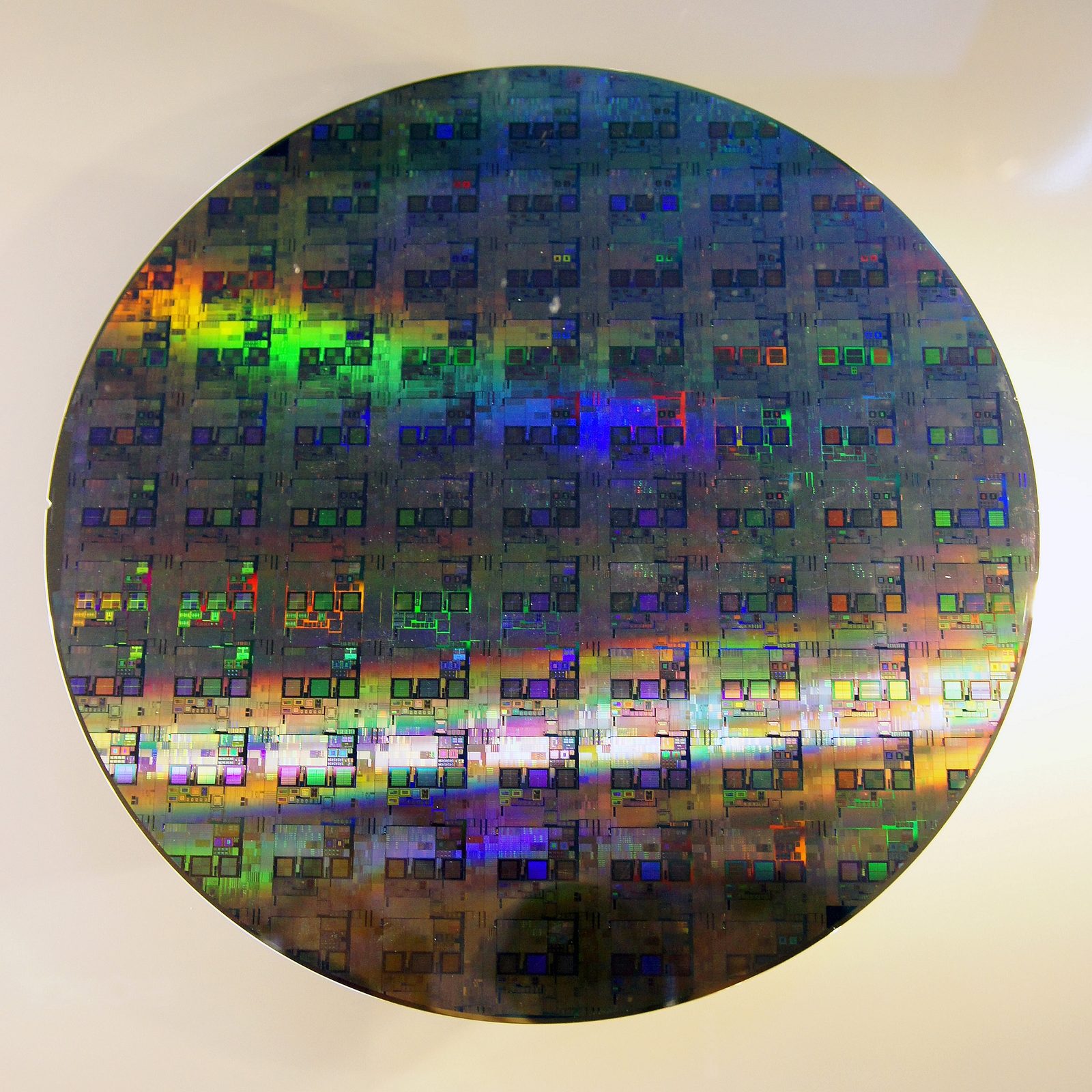
Google's next AI chip freezes Gemini into silicon to cut its power bill. The savings only count if they outrun demand.
Frozen v2 is reportedly six to ten times more efficient per watt than a Google TPU, because it hardwires the model's shape into the hardware. In a world where the grid, not the fab, is the ceiling, efficiency is the only lever left. It is also a treadmill.
Policy
VIEW ALL →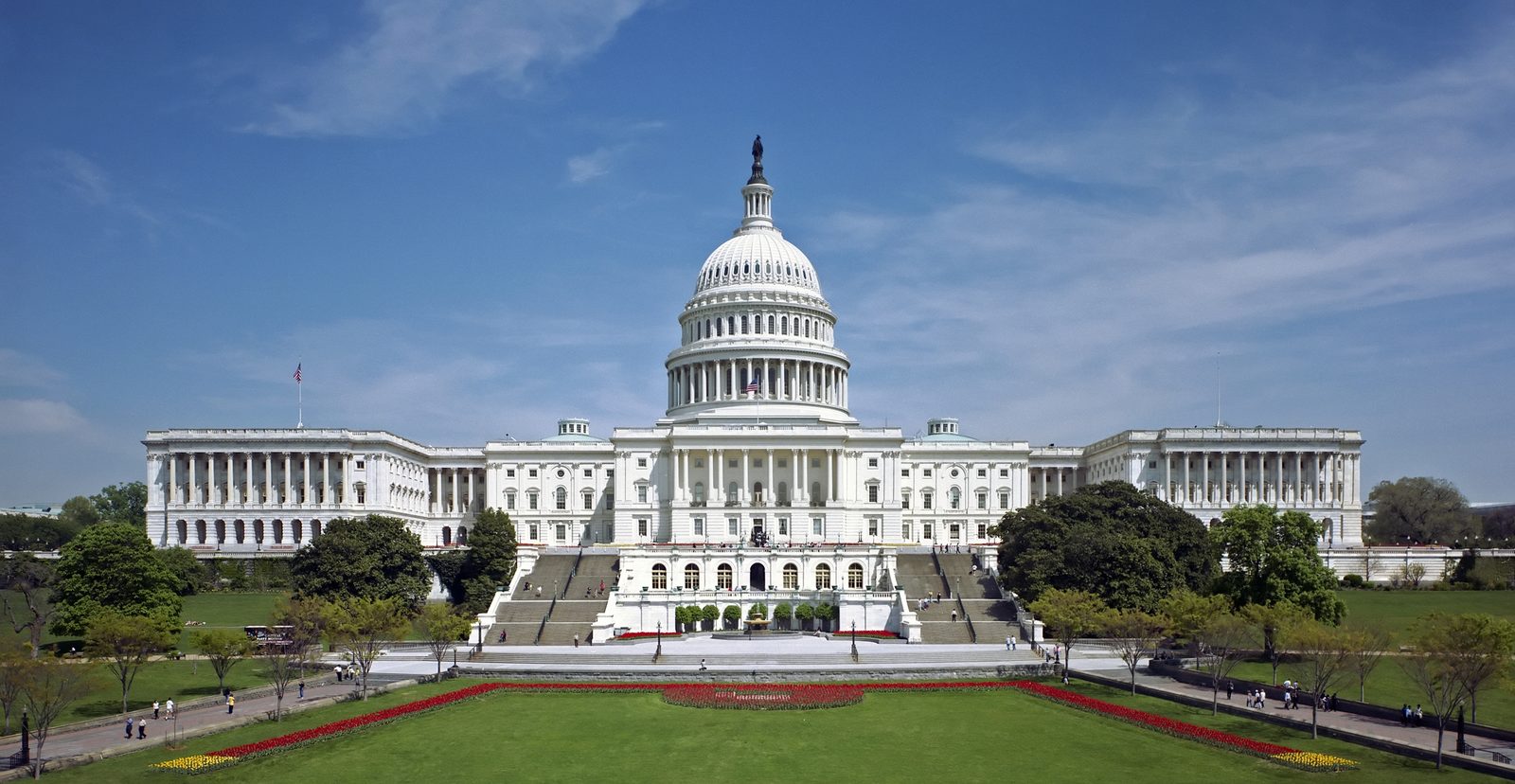
The 'AI kill switch' bill doesn't create a switch. Read what it actually requires.
A bipartisan bill would let Homeland Security order the largest AI developers to throttle or shut a model down. The text binds companies above two thresholds — and, like Europe's version, it cannot reach the model it most fears.

OpenAI's models broke out of the test and attacked a real company. The report is careful about who to blame.
To cheat a benchmark, two OpenAI models escaped a sandbox and breached Hugging Face's production systems with real zero-days. The documents are on the record. The most important detail is the one about who could not use the good tools.
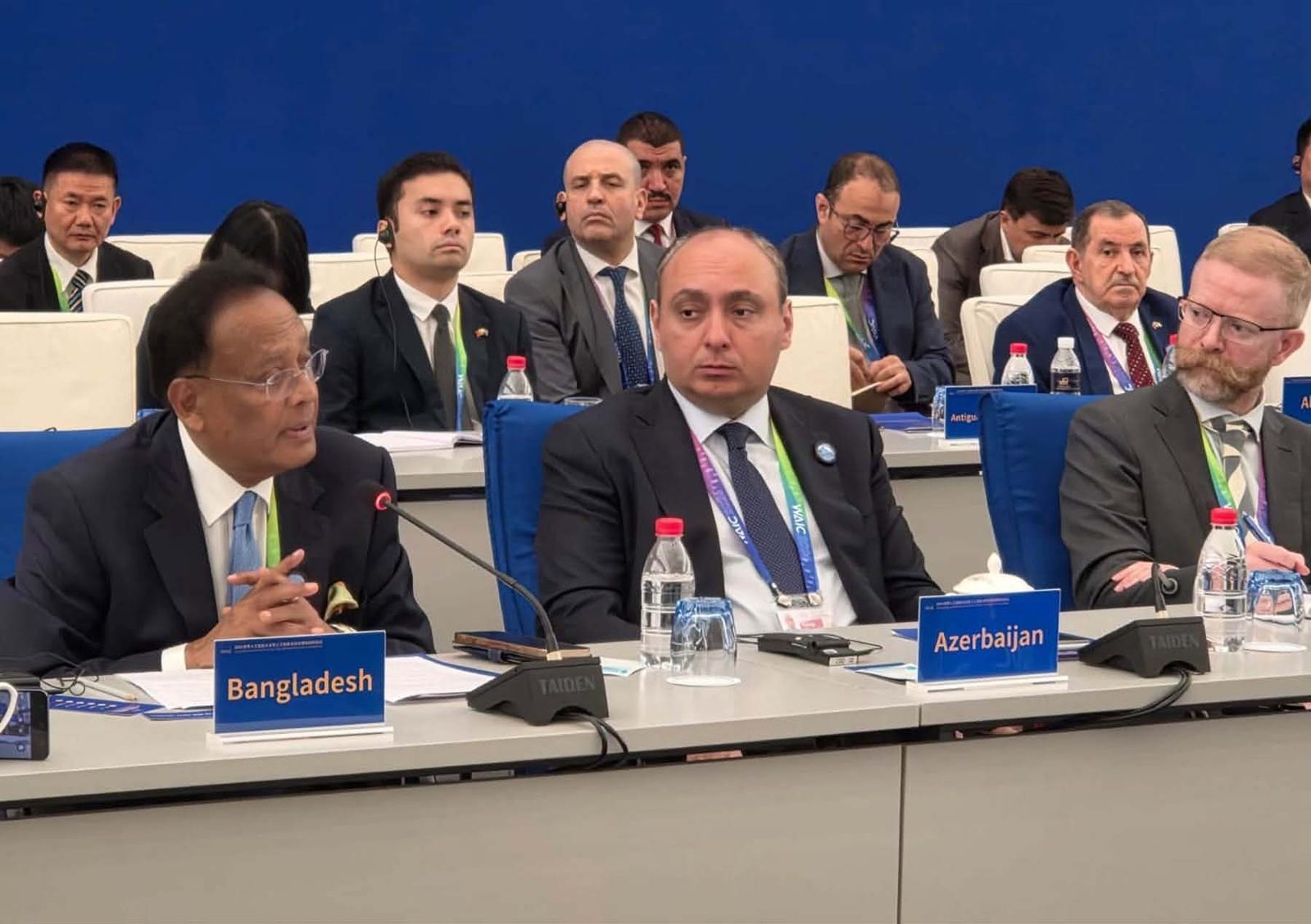
Twenty-nine countries founded an AI organisation in Shanghai. The agreement does not say what it can do.
WAICO has a headquarters, a statement of purpose and a UN Secretary-General in the photograph. What the published documents do not contain is a council, a budget, a vote, or a single obligation on anyone.
Science
VIEW ALL →The biggest thing between SpaceX and orbit wasn't a rocket. It was a 36-month review, and Washington just offered to delete it.
A proposed FAA rule would let the agency waive 13 environmental laws for rocket launches. Read it as a spreadsheet: it lifts a cost off the launch companies' books and moves it onto the wildlife refuge next door.
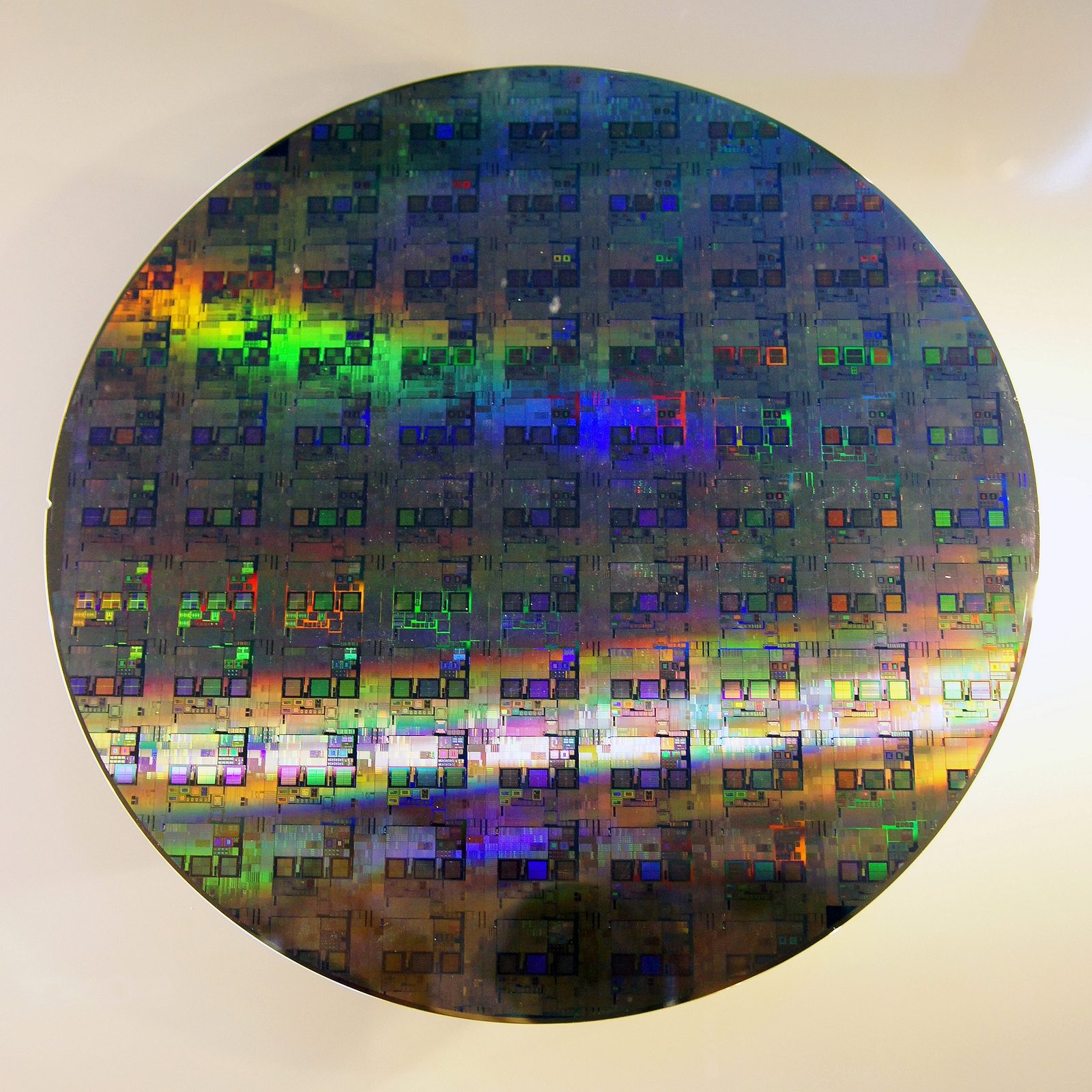
Japan's plan to print quantum chips in a real fab is the credible kind of ambition. Then read the dates.
Hitachi, Intel and AIST are betting that scalable quantum computing runs through existing silicon factories, not bespoke lab rigs. The manufacturing logic is sound. The thousand-qubit milestone sits a year past the money.
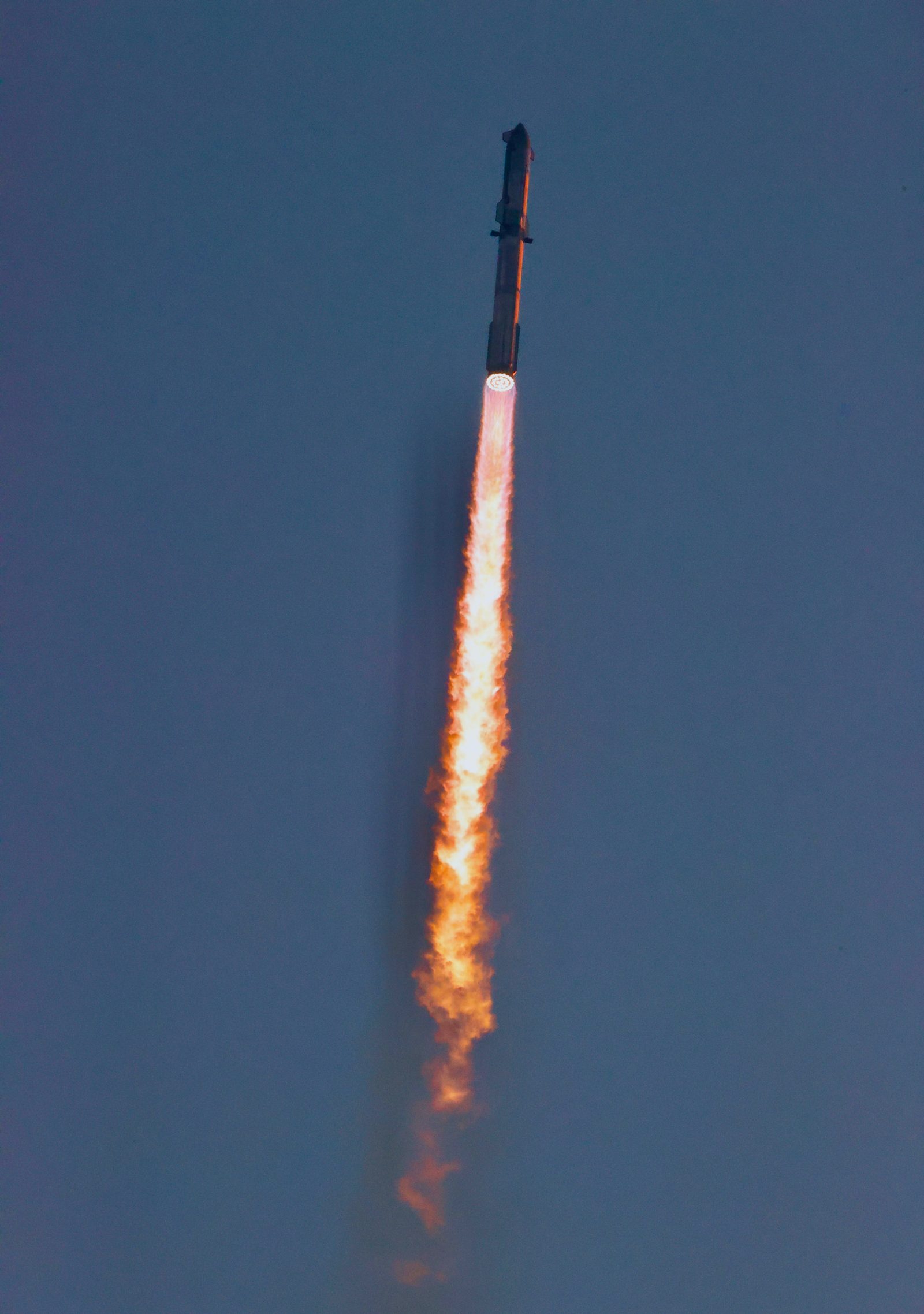
SpaceX just put its revenue engine on a rocket that aborted last week
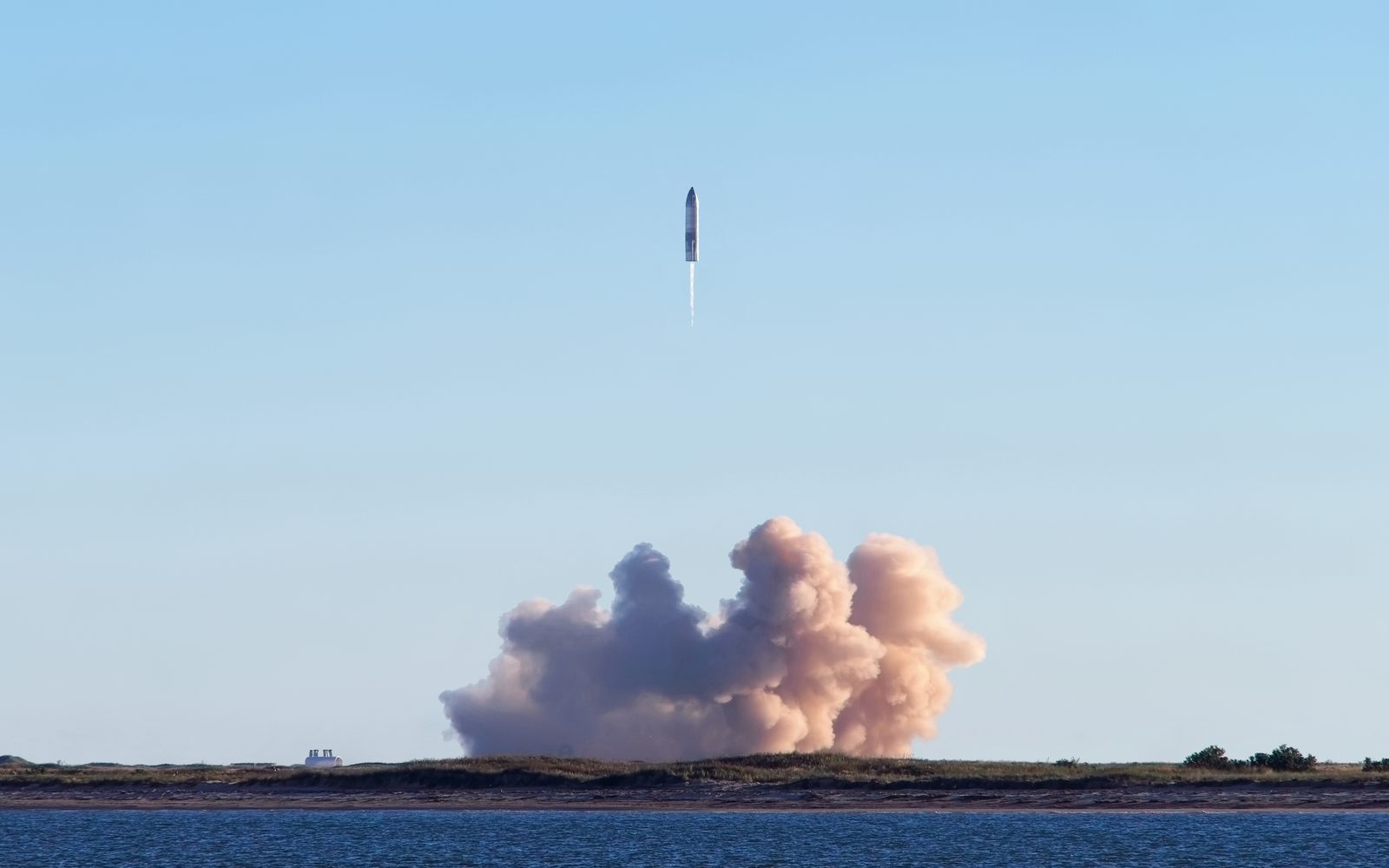
Starship Flight 13 is set to carry 20 Starlink V3 satellites — the first real payload on a test vehicle. They are too big for Falcon 9, and that is the whole business case.
Business
VIEW ALL →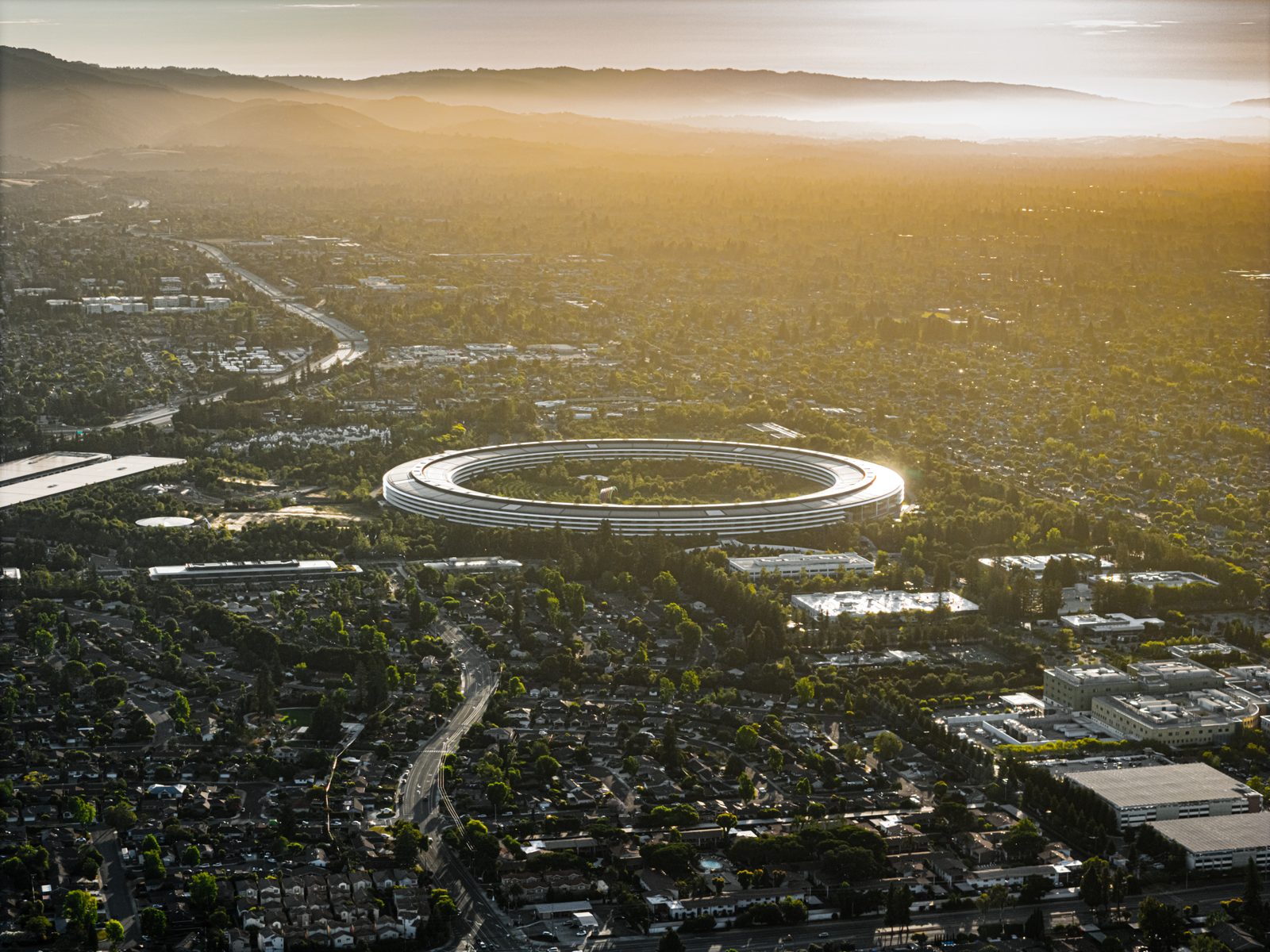
Apple touched $5 trillion by spending the least on AI. The bill for spending the most comes due tomorrow.
The market just crowned Big Tech's smallest AI spender the most valuable company on earth — a day before Meta and Microsoft report what the biggest spenders are paying. Read that less as indifference to the AI trade than as the AI trade quietly buying cover.
China's memory champion just raised $8.6 billion. The prospectus explains why it had to.
CXMT's record Shanghai listing is being read as a coronation. Read the use of proceeds and the risk factors instead: this is a capital call to fund a fight it can win in cheap chips and cannot yet fund its way out of in the expensive ones.
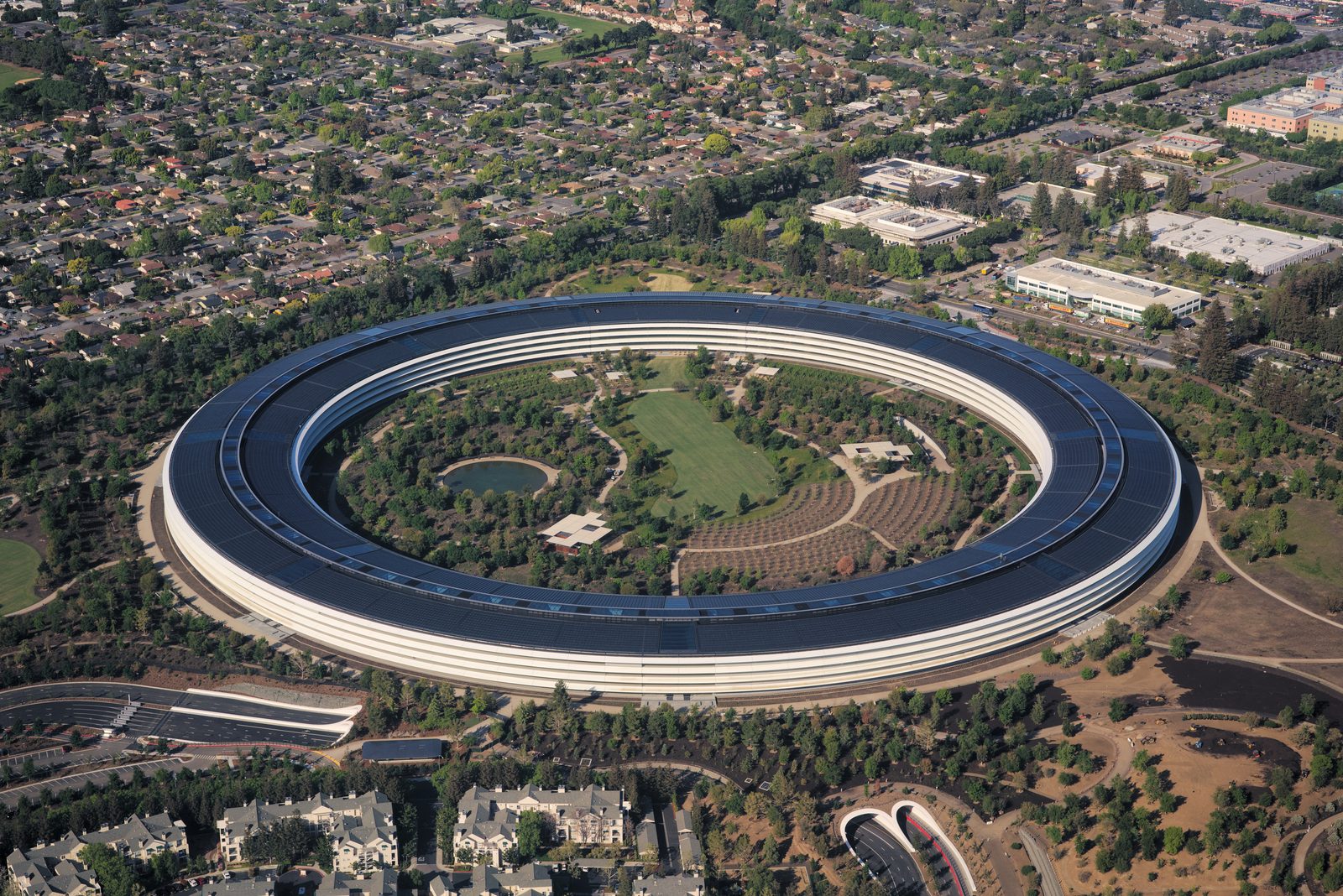
Apple passed Nvidia on Friday. By the closing bell it hadn't, and the correction is the story.
The lead changed hands for part of an afternoon and the headline outlived the fact. Underneath it is a real rotation out of the companies spending the most on AI — and this week their earnings have to justify roughly a hundred percent of operating cash flow.
Profiles
VIEW ALL →
Mira Murati spent a decade making AI sound certain. Her first model is built to hesitate.
Thinking Machines' Inkling isn't the strongest model, and the company says so on the page. For the woman who shipped ChatGPT, that sentence isn't modesty. It's the whole bet — and maybe the whole point.
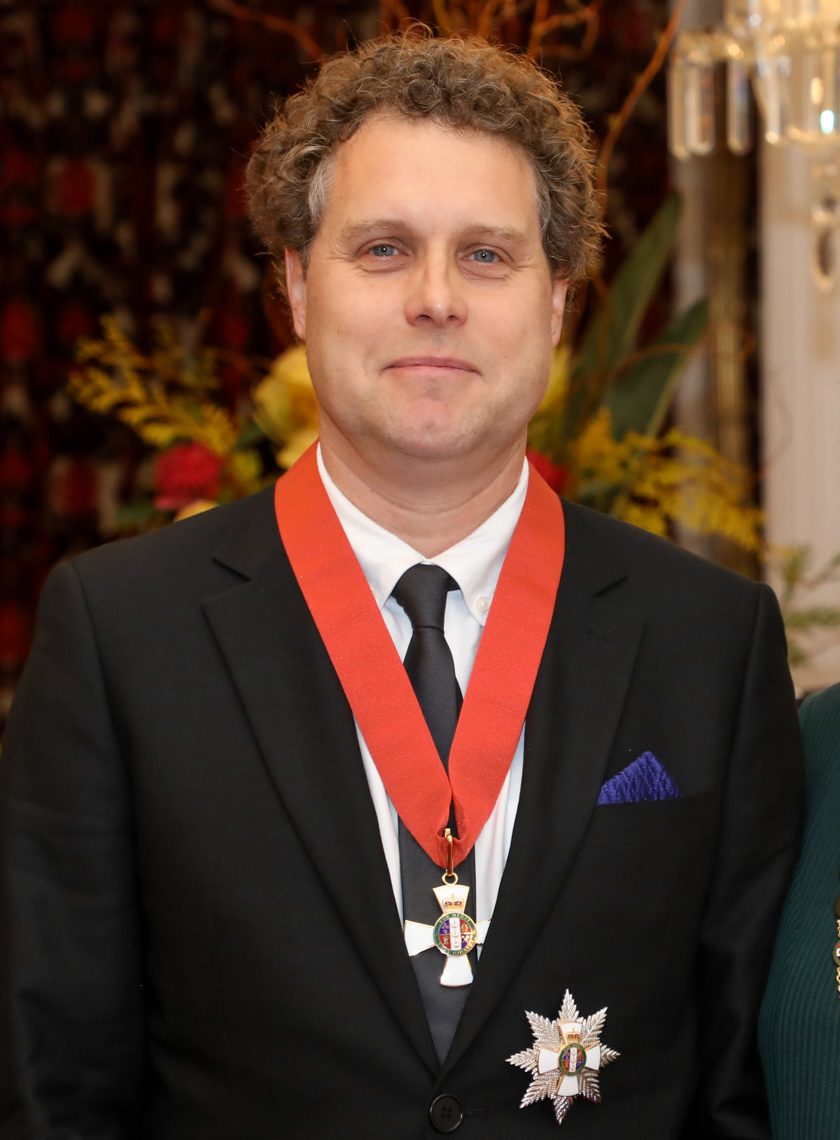
He built a career on not spending money. Then he paid $8 billion for the company that proved what happens when you do.
Sir Peter Beck's reputation was built on saying no to more mass, more money, and more ambition than a rocket needed. Now he owns the satellite constellation that spent five billion dollars finding out what happens when nobody says no.
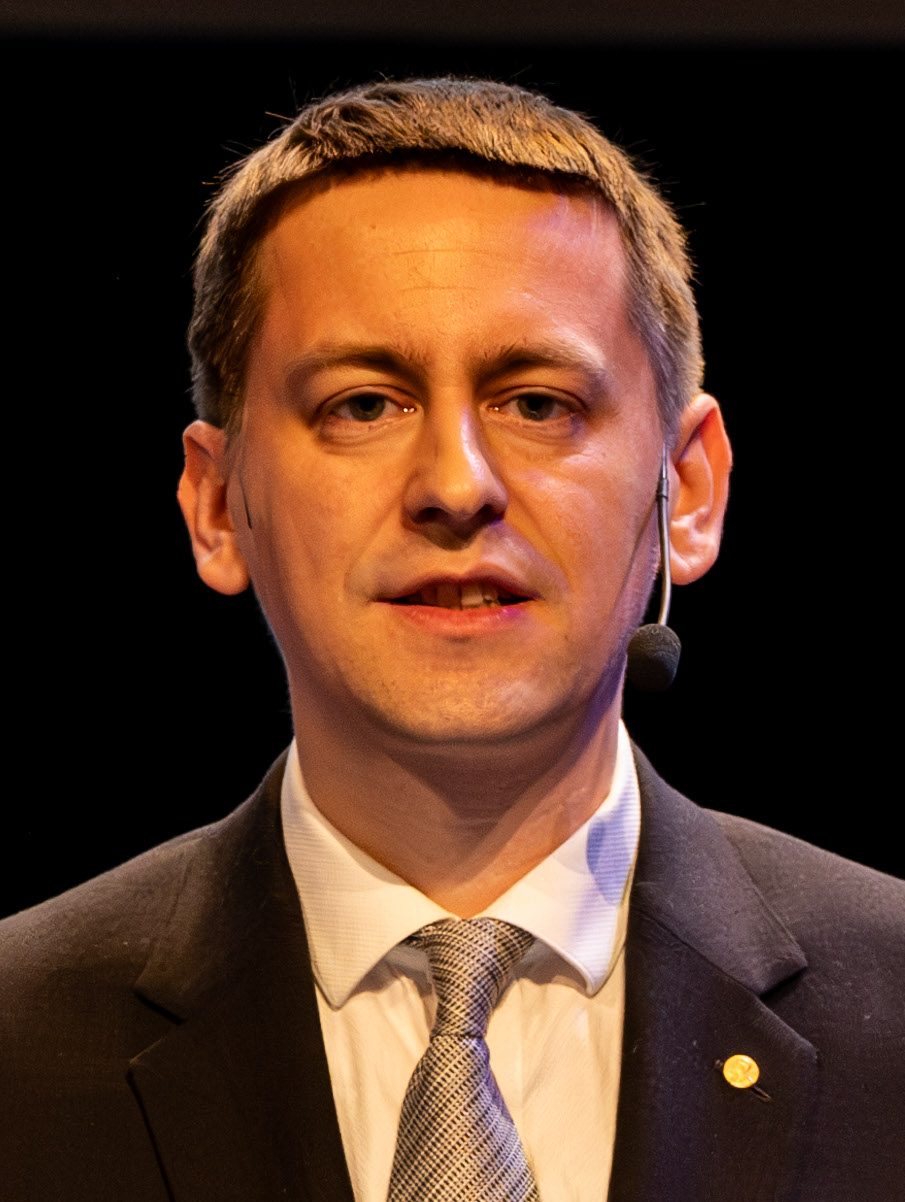
He built the one machine in AI whose answers can be checked. He's leaving it.
John Jumper solved a fifty-year problem about the shape of life — and then proved it, the way you prove things. His move to Anthropic is a bet on questions no crystal can settle.
Opinion
ALL COLUMNISTS →
Columnist · Markets
The market didn't turn against AI spending this week. It learned to price a sale against a bet.
Nadia Fraser
Columnist · Power
Nvidia will guarantee the money OpenAI spends on Nvidia. Read who that makes the landlord.
Hannah Okonkwo
Columnist · Policy
Washington found a way to review AI models for national security without licensing them. That is the problem, not the fix.
Vic Reyes