
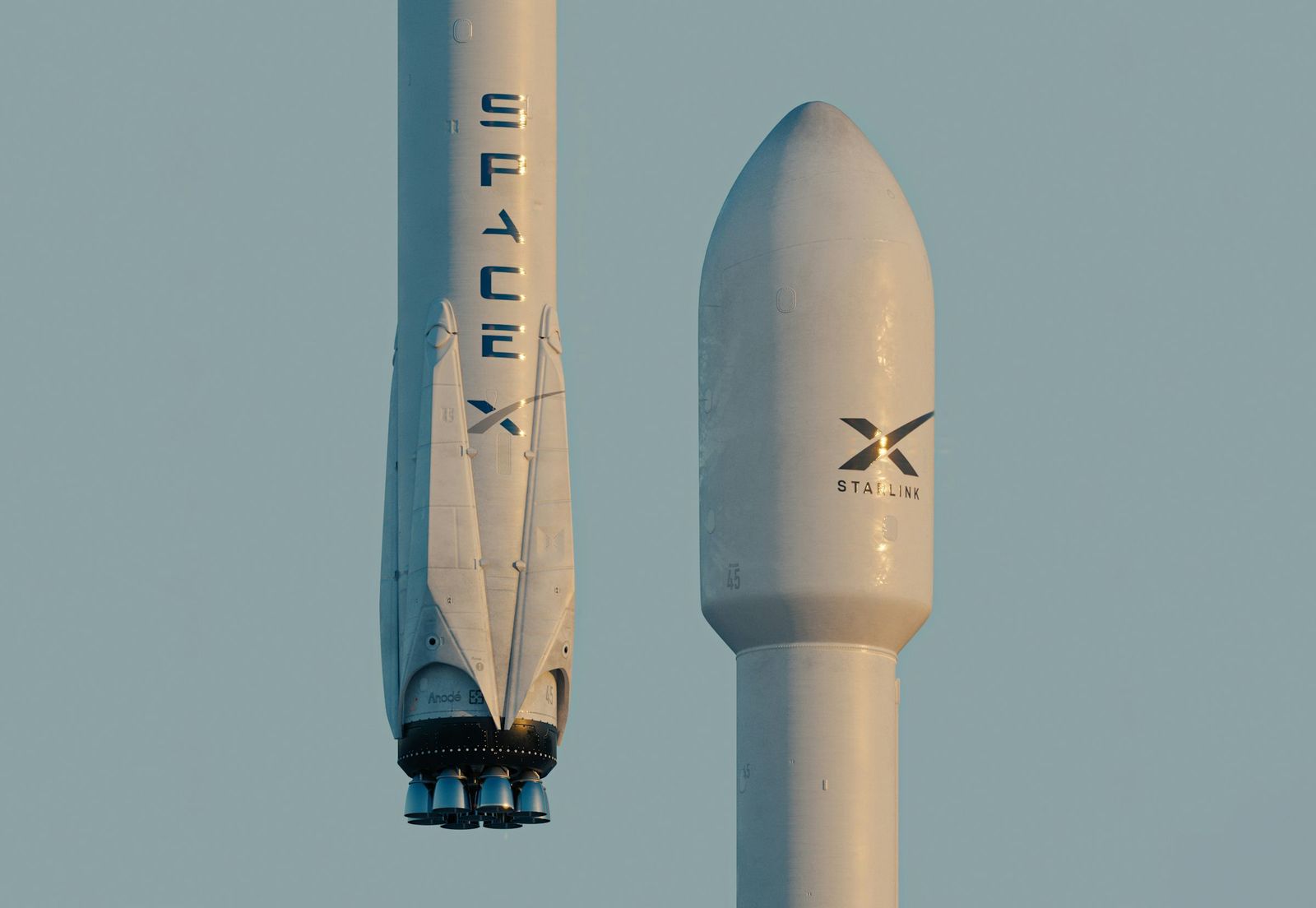
What SpaceX is really worth
The prospectus asks for $1.75 trillion and points at a rocket. Read the segments and the rocket is the loss leader — the company is an internet provider that happens to fly its own delivery trucks.
Starship V3 made a fiery splash in the Indian Ocean and Elon Musk called it epic. The number that matters is dollars per kilogram to the lunar south pole — and that number is still doing the heavy lifting NASA's renderings won't.
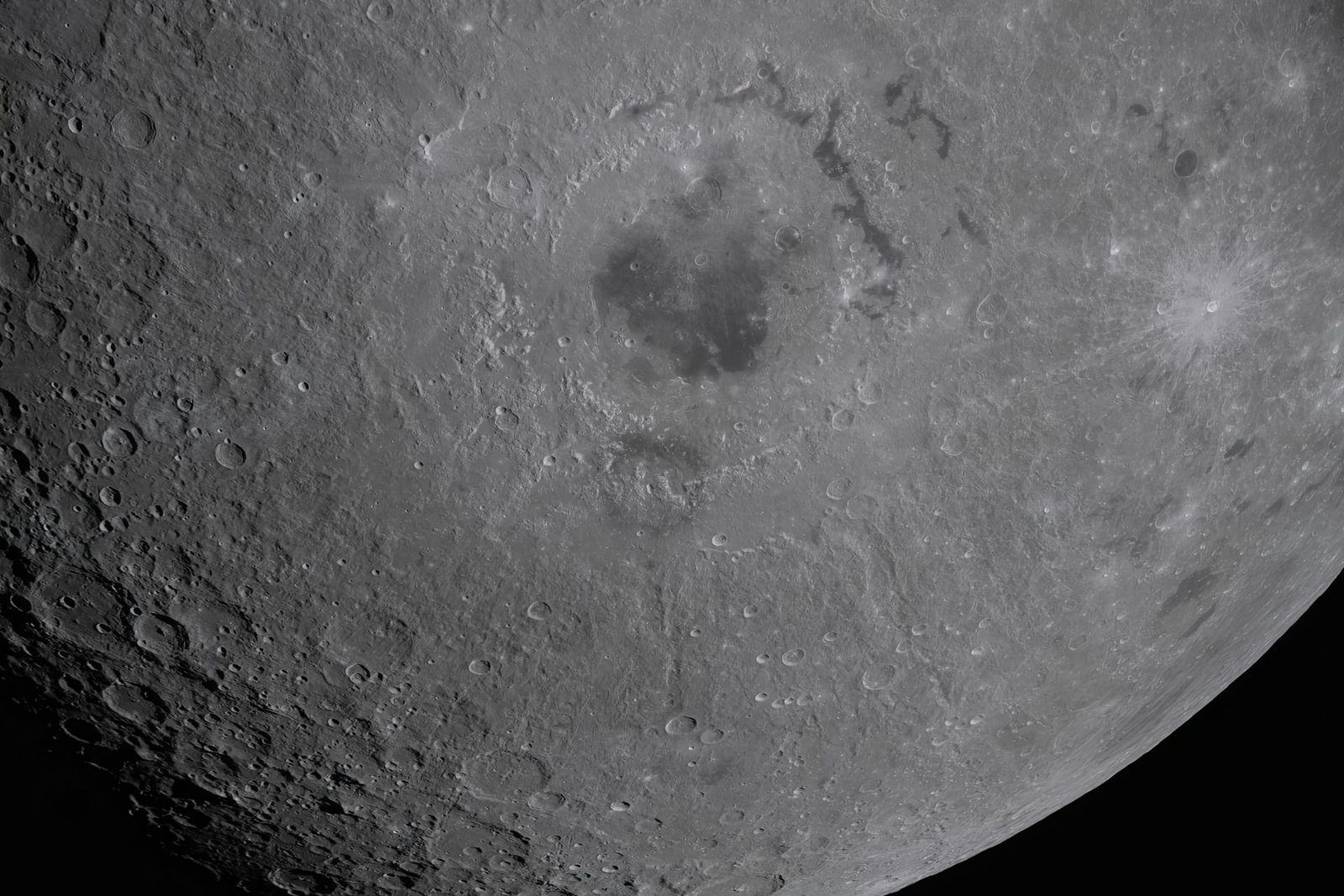
Photograph: NASA / Unsplash
The thing that splashed into the Indian Ocean on the evening of May 22 was, by the standard everyone watched it by, a partial success. Starship V3 — the first Block 3 vehicle, 33 Raptor 3 engines on the booster, six on the ship — left Starbase's new second pad at 5:30 in the afternoon Texas time, shed one of its six upper-stage engines about thirty-six seconds into flight, burned the other five a little longer to make up the difference, deployed twenty-two mass simulators standing in for Starlinks, and came down in the sea roughly where SpaceX said it would. The booster did not. It flipped after separation, lit a single engine for its landing burn, and hit the Gulf of Mexico at 1,450 kilometers an hour. Elon Musk called the flight epic. The FAA called the booster a mishap and grounded the rocket five days later.
Both of those reactions are about the flame. The story is in the invoice, and the invoice has NASA's name on it. Because this rocket — the one that just lost an engine on its debut and dropped its booster into the sea — is the vehicle the United States is counting on to put astronauts back on the Moon. So the question worth asking is not whether the flight was epic. It is what a kilogram to the lunar surface actually costs once you stop filming and start adding.
Start with the business case SpaceX is selling, because it is a good one on paper. Starship is fully reusable, both stages, and it is big: the company quotes north of 100 metric tons to low-Earth orbit eventually, in a vehicle 124 meters tall. The whole pitch is the same one that flipped the launch market a decade ago — stop throwing the hardware away on every flight and the marginal cost of a kilogram to orbit collapses. SpaceX has put more than $15 billion into Starship to chase that number, including roughly $3 billion of R&D in 2025 alone. That is the bet: spend enormous capital up front to make each subsequent kilogram cheap.
For Starlink, the math is plausible, because Starlink is SpaceX paying SpaceX, flying constantly, amortizing that $15 billion across thousands of launches. Cadence is the whole game. A reusable rocket that flies twice a year is an expensive science project; one that flies weekly is a freight line. Flight 12 deployed mock satellites precisely because the satellites are the point — the Moon is the prestige, the constellation is the revenue.
Here is where the renderings get quiet. To land NASA astronauts, Starship cannot simply fly to the Moon. The lunar lander variant — Starship HLS, about 52 meters tall on its own — launches empty of the propellant it needs, reaches low-Earth orbit, and then waits to be refueled by a fleet of tanker Starships. NASA's own inspector general puts that number at an estimated 10 to 20 tanker flights to fill a single lander before it boosts to the Moon. Every one of those tankers is a launch. Every launch is a kilogram problem of its own.
This is the part where reusability stops being an abstraction and becomes a schedule. The architecture only closes if Starship flies often, reliably, and cheaply — if a tanker flight is closer to a Starlink mission than to a Flight 12. The cadence that makes the constellation profitable is the same cadence that makes the Moon affordable. Lose an engine on flight twelve, ground the booster, and you are not just delaying a test. You are stretching the interval between the dozen-plus refueling launches that one lunar landing requires.
The cadence that makes the constellation profitable is the same cadence that makes the Moon affordable. The Moon does not get its own discount.
That is the quiet dependency NASA bought into. The agency picked SpaceX for the first crewed landing under a contract worth about $2.89 billion, awarded in 2021, then added roughly $1.15 billion for a second demonstration under what is now Artemis IV. A little over $4 billion for a lander whose mission profile depends on a refueling chain no one has yet flown. Compare that to the second provider: NASA gave Blue Origin a $3.4 billion firm-fixed-price contract for its Blue Moon lander, assigned to Artemis V, and Blue Origin says it expects to spend 'well north' of that to finish the job — pushing its own total toward $7 billion.
Set the two architectures side by side and the contrast is about how each one hides its costs. Starship HLS is cheap per kilogram if the refueling works and the cadence holds, and ruinously complicated if either slips. Blue Moon is a more conventional lander — smaller, no orbital propellant ballet — which is to say its risk is concentrated in development rather than in operations. NASA, sensibly, is no longer betting on one. In February the agency's new administrator, Jared Isaacman, confirmed a revised plan: Artemis III would test one or both landers in Earth orbit rather than commit a crew to the surface, with Artemis IV tentatively the first crewed landing, penciled in for 2028.
Read that revision as a budget document, not an engineering one. NASA has quietly downgraded the original promise — boots at the lunar south pole on Artemis III — to an orbital test, because the lander that was supposed to deliver them is not ready and the refueling that the lander depends on has not been demonstrated. The south pole did not get cheaper. The schedule got honest.
And the south pole is the whole reason for the address. NASA wants the polar region for water ice — propellant and life support you do not have to launch from Earth — which is the only version of a Moon base whose economics ever close. The dream is a base that makes its own fuel. The reality, today, is a base that has to be flown to, kilogram by kilogram, on a rocket that just lost an engine. Until there is ice in a tank, every gram of a south-pole outpost is freight, and freight is priced by the launch.
Now put the program total next to the line items. NASA's inspector general estimated back in 2021 that Artemis would cost the agency $93 billion through fiscal 2025 — more than a decade of spending across rockets, capsules, ground systems, and landers. The two lander contracts, at roughly $4 billion and $3.4 billion, are a rounding error against that figure. Which tells you something: the lander was never the expensive part. The expensive part is everything the lander assumes — the cadence, the refueling, the ground infrastructure, the SLS and Orion stack that gets the crew to lunar orbit in the first place. The cheap, reusable rocket is bolted onto one of the most expensive launch architectures the agency has ever funded.
It can. That is the frustrating, genuinely exciting part. If Starship reaches the cadence SpaceX needs for Starlink, the same flight rate makes the refueling chain affordable almost as a side effect, and the cost per kilogram to the lunar surface drops to a number no expendable rocket could touch. The engineering does not defy any law from the 1960s. It defies the accountant's old assumption that getting to the Moon has to be a once-a-decade act of national will rather than a freight schedule.
But it does not close yet, and the honest read on Flight 12 is that it pushed the closing date out, not in. A grounded booster is a slower cadence, and a slower cadence is a more expensive Moon. Musk is right that the flight was a milestone. He is selling the flame. NASA is buying the kilogram. And the kilogram, for now, is still the most expensive thing about going back.
The Moon base is not a dream or a destiny. It is a budget line, and it has not yet been paid for. The good news is that, for the first time, you can see the math that would make it affordable. The bad news is that you can also see exactly how far it still is from balancing — and it splashed into the Indian Ocean on Friday with one engine already out.
The prospectus asks for $1.75 trillion and points at a rocket. Read the segments and the rocket is the loss leader — the company is an internet provider that happens to fly its own delivery trucks.

Thea Energy’s oversubscribed Series B is real money for a real machine. The interesting question is what the money is actually buying — and on what timescale.
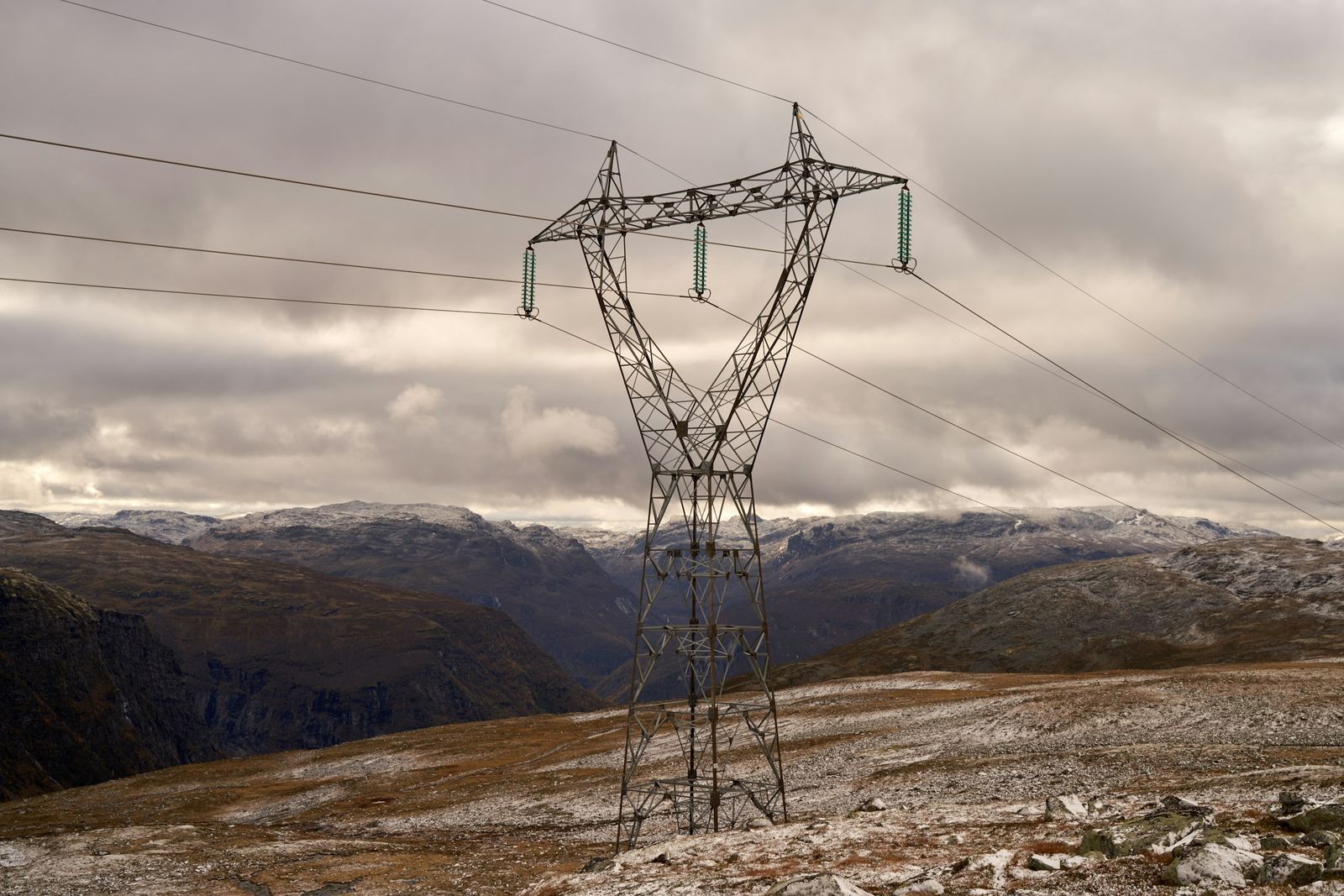
Commonwealth Fusion has applied to plug a 400-megawatt fusion plant into the grid. The reactor it depends on has not yet produced a single watt of net energy — and that is the whole story.